**NEW PATIENTS WELCOME! MEDICARE ACCEPTED. See Grand Opening Offers here**
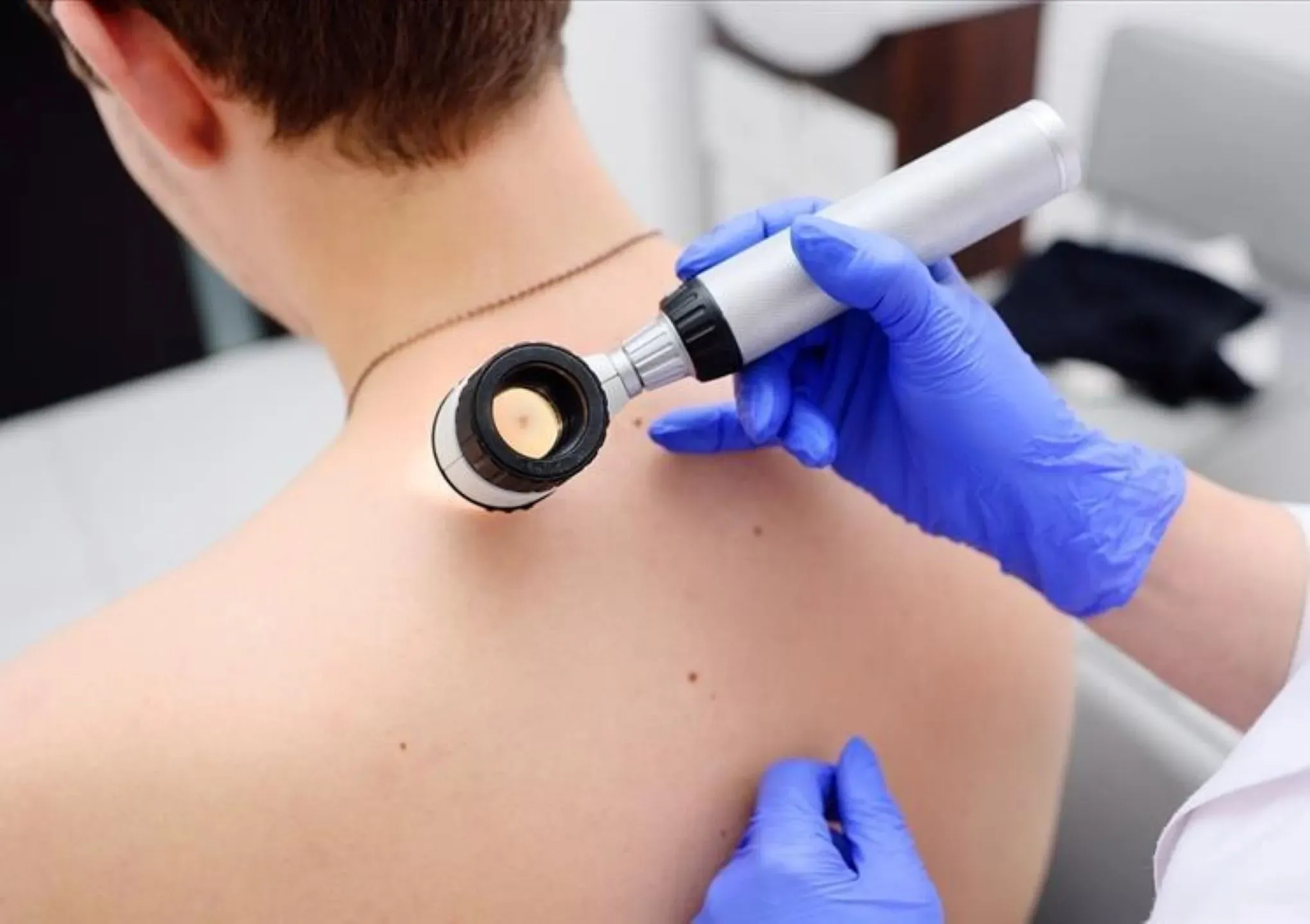
Comprehensive Skin Cancer Care Focused on Early Detection
Skin cancer is one of the most common forms of cancer in the United States. When identified early, many skin cancers can be treated successfully.
At Zand Dermatology, we provide thorough skin examinations, evaluation of suspicious lesions, and individualized care to support early detection and timely treatment.
Types of Skin Cancer
Basal Cell Carcinoma (BCC)
The most common type of skin cancer. It may appear as a pearly bump, a nonhealing sore, or a pink or scar-like patch.
Squamous Cell Carcinoma (SCC)
Often develops on sun-exposed skin and may appear as a rough, scaly growth, firm bump, or persistent sore.
Melanoma
A potentially serious form of skin cancer that can spread to other parts of the body. Early recognition and treatment are especially important.
Warning Signs of Skin Cancer
Be aware of the ABCDEs of melanoma:
- A — Asymmetry: One half of a mole looks different from the other.
- B — Border: Irregular or poorly defined edges.
- C — Color: Uneven or multiple colors within a lesion.
- D — Diameter: Melanomas are often larger than 6 mm at diagnosis, but they can be smaller.
- E — Evolving: Changes in size, shape, color, or symptoms.
Also watch for new growths, bleeding spots, and sores that do not heal.
Skin Cancer Diagnosis and Treatment
Depending on your examination and diagnosis, care may include:
- Full-Body Skin Examinations: Evaluating moles and other suspicious lesions.
- Skin Biopsies: Obtaining tissue for laboratory examination when necessary.
- Surgical Excision: Removing certain confirmed skin cancers.
- Other Medical or Surgical Treatments: Selected according to cancer type, size, location, and risk factors.
- Specialist Referral: Coordinating advanced treatment, including Mohs surgery or oncology care, when appropriate.
Frequently Asked Questions
How often should I have a skin cancer screening?
Screening frequency depends on your personal risk factors, including previous skin cancer, family history, sun exposure, and immune status.
Can skin cancer develop in areas that are not exposed to the sun?
Yes. Skin cancer can occur anywhere on the body, including the scalp, soles of the feet, and beneath the nails.
Is skin cancer treatable?
Many skin cancers are highly treatable when detected early. Outcomes depend on the cancer type, stage, and other individual factors.
Schedule Your Skin Cancer Screening
Protect your skin with proactive dermatologic care. Schedule a skin cancer examination at Zand Dermatology today.